
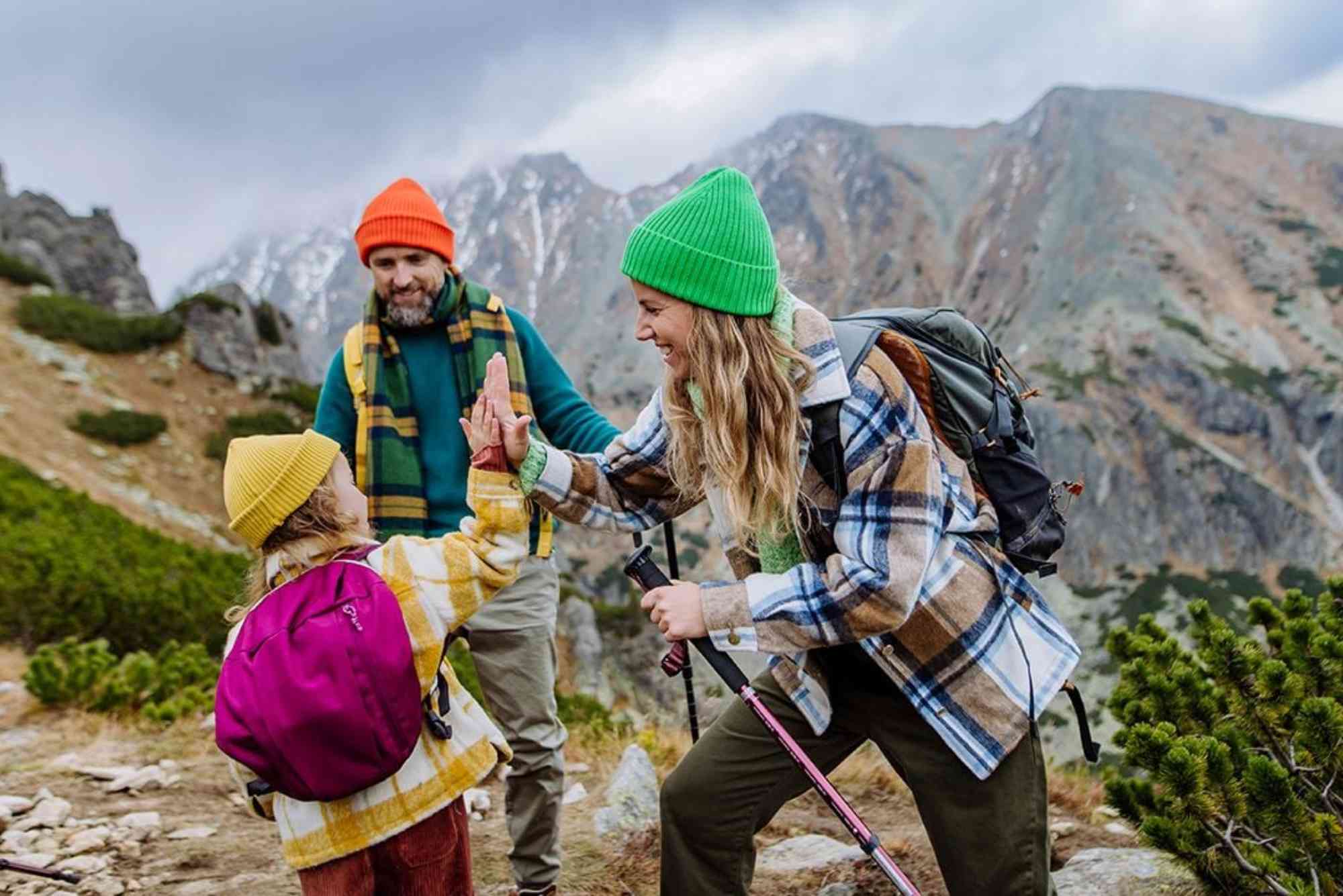
Introduction: Understanding Altitude and Its Effects
Traveling to high-altitude destinations can be an exhilarating experience, whether for hiking, skiing, or exploring mountain resorts. However, ascending quickly can trigger altitude sickness, which affects many travelers. Symptoms such as headaches, nausea, dizziness, and fatigue often result from the lower oxygen levels found at higher elevations. Understanding how to prepare for altitude is crucial for maintaining energy, reducing discomfort, and ensuring your adventure remains enjoyable. By taking proactive steps, you can acclimate your body effectively and minimize health risks during your trip.
How Altitude Impacts Your Body
When ascending to higher altitudes, the air pressure decreases, reducing the amount of oxygen your body receives. This triggers physiological changes as your body adapts, including faster breathing, increased heart rate, and altered blood circulation. Some individuals acclimate quickly, while others experience more severe symptoms. Recognizing the signs early allows for timely adjustments, helping prevent more serious conditions like high-altitude pulmonary edema (HAPE) or high-altitude cerebral edema (HACE).
Early Symptoms and Risk Factors
Even moderate altitudes can affect sensitive individuals. Headaches, lightheadedness, and nausea often appear first. Risk factors include rapid ascent, previous altitude sickness, dehydration, and low fitness levels. Travelers should monitor their bodies closely and prioritize rest and hydration during initial days at higher elevations.
Preparing Your Body Before the Trip
Physical preparation plays a significant role in reducing altitude sickness. Cardiovascular exercises, such as running, cycling, or swimming, improve oxygen efficiency in the body. Strength training also supports endurance, making hiking or climbing less taxing. Additionally, maintaining a balanced diet rich in iron and complex carbohydrates enhances oxygen transport and energy levels, providing a foundation for better adaptation.
Hydration and Nutrition Strategies
Dehydration worsens altitude sickness, so pre-travel hydration is essential. Drinking adequate water and avoiding excessive alcohol or caffeine helps maintain fluid balance. Including foods high in potassium, magnesium, and antioxidants further supports overall health and energy during altitude exposure. Eating smaller, frequent meals also eases digestion when oxygen levels are lower.
Gradual Acclimatization Techniques
One of the most effective ways to prepare for altitude is gradual acclimatization. Planning a slower ascent allows the body to adapt naturally. Spending a day or two at intermediate altitudes before moving higher can significantly reduce symptoms. If your itinerary involves mountain trekking or skiing, consider staged stops or shorter activity sessions on the first days to avoid overexertion.

Breathing Exercises and Oxygen Efficiency
Practicing controlled breathing techniques strengthens your lungs and improves oxygen intake. Diaphragmatic breathing, for example, enhances lung capacity and reduces fatigue at high elevations. Combining this with gentle morning walks or light hikes before your main activities can accelerate acclimatization while keeping your energy levels stable.
Lifestyle Adjustments for High Altitude Travel
Lifestyle choices during your trip can influence how your body reacts to altitude. Prioritize sleep, as rest is essential for recovery and adaptation. Avoid strenuous physical activity immediately upon arrival, and resist the temptation to overexert. Wearing weather-appropriate clothing also prevents unnecessary strain and energy loss, as cold temperatures at high altitudes can exacerbate symptoms.
Supplements and Medical Precautions
Some travelers use natural supplements like ginkgo biloba or medications such as acetazolamide to reduce altitude sickness symptoms. Consulting a healthcare professional before your trip ensures safe and effective use, particularly if you have pre-existing health conditions. Carrying basic medications and understanding first-aid procedures for altitude-related issues is a smart precaution for any high-altitude adventure.
Mental Preparation and Stress Management
Mental readiness is often overlooked but can make a substantial difference. High-altitude environments can cause fatigue, stress, or anxiety, which amplify physical symptoms. Practicing mindfulness, visualization, or light meditation before and during your trip helps maintain calm, improve focus, and support overall well-being. Keeping a positive mindset enhances resilience, allowing you to enjoy your surroundings fully.
Signs You Should Descend
Recognizing severe symptoms is vital. Persistent vomiting, How to Prepare for Altitude: Travel Tips That Reduce Sickness confusion, shortness of breath at rest, or swelling of extremities requires immediate descent. Ignoring these warning signs can lead to life-threatening conditions. Always err on the side of caution and seek medical attention promptly if symptoms worsen. Planning flexible itineraries that allow for early descent is a practical safety measure.
Maximize Enjoyment While Reducing Altitude Sickness
Traveling to high-altitude destinations offers breathtaking views and unforgettable experiences. Proper preparation—including physical conditioning, hydration, gradual acclimatization, and mental readiness—helps reduce the risk of altitude sickness and ensures a smoother adventure. By prioritizing these strategies, you can enjoy your journey safely and comfortably. Make altitude preparation part of your travel routine and experience the mountains with confidence. Start planning your trip today, and embrace the adventure without unnecessary discomfort.
FAQ: Altitude Travel Questions
How long does it take to acclimate to high altitude?
Most people start adjusting within 24 to 48 hours, but full acclimatization can take several days depending on the elevation.
Can altitude sickness occur at moderate elevations?
Yes, even elevations as low as 6,000 feet can trigger mild symptoms in sensitive individuals.
What are the best foods to eat at high altitudes?
Complex carbohydrates, lean proteins, and potassium-rich foods support energy and hydration. Avoid heavy meals and excess salt.
Is it safe to exercise at high altitude?
Light activity is recommended during the first days. Gradually increase intensity as your body adapts.
Should I take medication to prevent altitude sickness?
Consult a healthcare professional before taking medications like acetazolamide to ensure safety based on your health profile.