Hiking in hot climates can be exhilarating, but it also comes with unique challenges. Knowing how to pack smart for a hot-climate hiking day can make the difference between an enjoyable trek and an exhausting experience. From managing hydration to choosing the right gear, every decision affects your comfort, safety, and overall performance. This guide dives into practical strategies that seasoned hikers use to stay cool and prepared under the sun.
Understanding the Challenges of Hot-Climate Hiking
When temperatures rise, your body works harder to stay cool, increasing sweat and fluid loss. Heat exhaustion and dehydration become real risks, so packing intelligently is essential. Hiking in hot weather requires balancing lightweight gear with effective sun protection and hydration solutions. Planning ahead ensures you have everything you need without overloading your backpack. Understanding the climate, terrain, and expected temperatures helps you make smarter choices.
Assessing the Trail and Weather Conditions
Before packing, research your hiking route and the climate conditions. Morning or late afternoon hikes often offer cooler temperatures, reducing the strain on your body. Checking weather forecasts can help you anticipate heat waves or unexpected storms, allowing you to pack emergency gear. Consider the trail’s difficulty and elevation because steeper paths can increase sweat rates and energy expenditure, which influences the amount of water and food you carry.
The Importance of Hydration Planning
Hydration is critical when hiking in hot climates. Your body can lose more than two liters of water per hour under extreme heat. Carrying sufficient water and knowing refill points along the trail prevents dehydration. Using hydration packs allows for easy access without stopping frequently. Electrolyte supplements or tablets can maintain your body’s salt balance, which helps prevent cramping and fatigue.
Choosing Lightweight, Breathable Gear
Packing smart involves selecting gear that minimizes heat retention while maximizing comfort. Lightweight materials help reduce the load on your shoulders, and breathable fabrics improve airflow, keeping your body cooler. Moisture-wicking clothing moves sweat away from the skin, reducing chafing and irritation. Hats with wide brims provide shade, while UV-protective clothing shields against harmful rays. Footwear should be ventilated yet supportive, balancing comfort with stability on uneven terrain.
Layering Strategically for Hot Weather
Even in heat, conditions can vary, especially in higher altitudes. Lightweight layers protect you from early morning chills or sudden weather changes. Thin long sleeves and pants made of breathable materials prevent sunburn without trapping heat. Layering also allows you to adjust your outfit throughout the day, maintaining comfort and reducing fatigue caused by excessive sweating or sun exposure.
Packing Smart Snacks and Nutrition
Eating appropriately during a hot-weather hike helps maintain energy levels. High-protein, low-sugar snacks prevent blood sugar crashes. Lightweight, non-perishable foods are preferable, as they reduce backpack weight and spoilage risk. Hydrating foods, such as fruits, can contribute to fluid intake while providing essential vitamins and electrolytes. Planning meals and snacks in advance avoids last-minute hunger and ensures you have enough energy to finish the hike safely.
Sun Protection and Safety Essentials
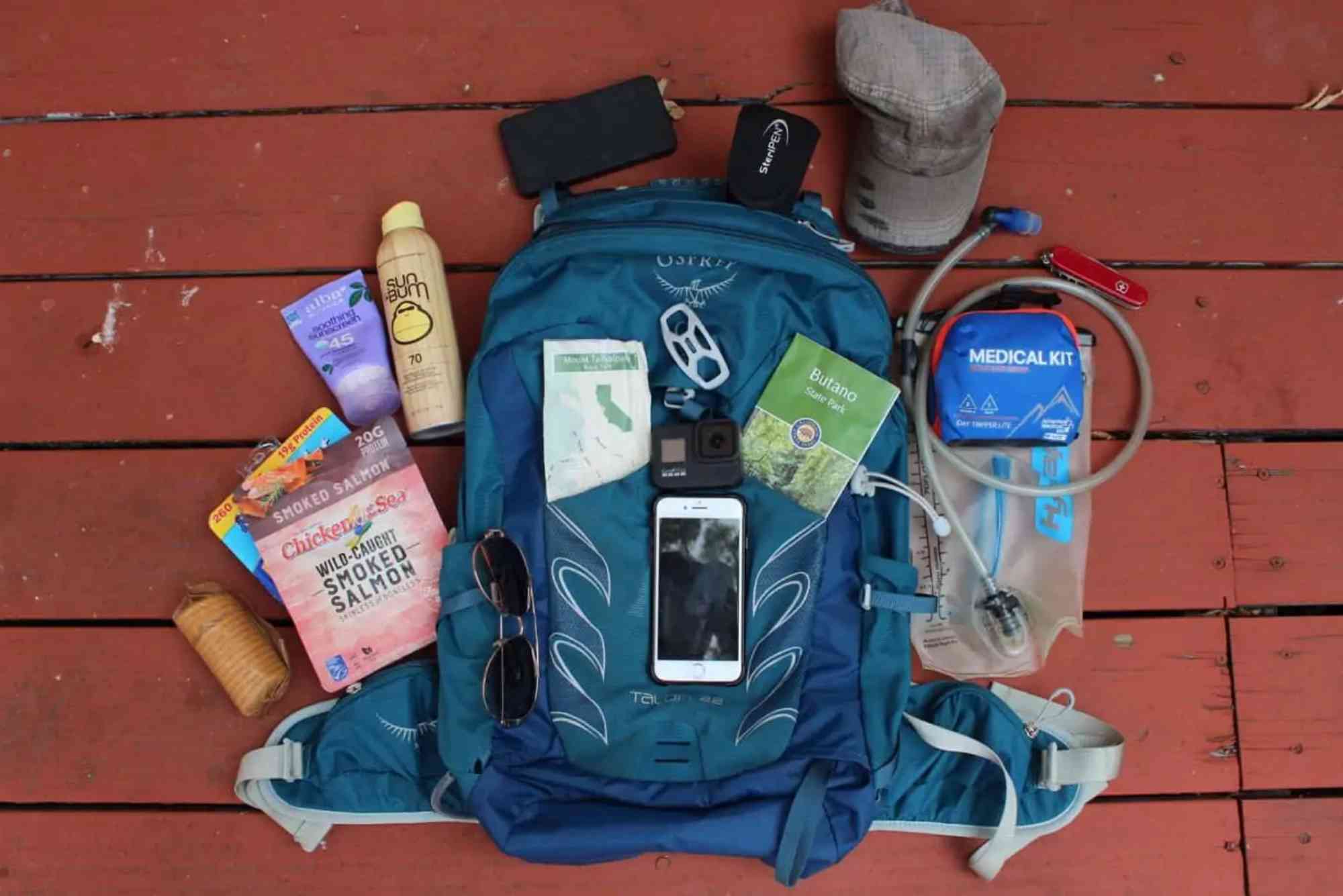
The sun is one of the biggest hazards on hot-weather hikes. Sunscreen with high SPF protects exposed skin, while sunglasses shield your eyes from harmful UV rays. Carrying a small first-aid kit is crucial for addressing blisters, minor cuts, or heat-related symptoms. Knowledge of signs like dizziness, nausea, or unusual fatigue helps you recognize early dehydration or heat exhaustion.
Navigation and Communication Tools
Even short hikes in the heat require reliable navigation tools. Maps, GPS devices, or mobile apps help you stay on track and avoid getting lost. Sharing your itinerary with a friend or family member ensures someone knows your location. Communication tools like a whistle or satellite messenger add an extra safety layer, particularly in areas with limited cell coverage. These precautions help you hike confidently while minimizing risks in challenging conditions.
Efficient Backpack Organization
How you pack your backpack affects both your comfort and your ability to access essentials quickly. Heavier items should sit close to your back to maintain balance, while frequently used items, such as water bottles, snacks, or sunscreen, should be easily reachable. Using small compartments or packing cubes prevents clutter and allows you to locate items without stopping unnecessarily. Organized packing reduces stress and maximizes efficiency on hot-climate hikes.
Mental and Physical Preparation
Packing smart isn’t just about gear; it’s also about preparing your body and mind. Training for endurance in hot conditions helps your body adapt to heat stress. Practicing hydration strategies and nutrition in advance ensures your stomach can handle food and fluids under exertion. Mental readiness improves decision-making under fatigue, which is crucial for navigating trails safely and avoiding heat-related emergencies.
Staying Cool During the Hike
Simple techniques can keep you cooler on the trail. Hiking in shaded areas whenever possible, taking regular breaks, and loosening tight clothing all help manage body temperature. Wetting a bandana or hat can provide temporary relief from heat, and drinking small, frequent sips of water maintains hydration without overloading the stomach. These strategies complement smart packing, allowing your gear to work in tandem with your body’s cooling mechanisms.
Adjusting Pace and Rest Periods
Hiking slower in extreme heat is not a sign of weakness; it’s a strategy for endurance and safety. Allowing your body to adapt to higher temperatures prevents exhaustion. Frequent, How to Pack Smart for a Hot-Climate Hiking Day brief rests under shade allow your body to recover and reduce overheating risks. Listening to your body and adjusting your pace based on energy levels and temperature ensures you complete the hike without compromising health or safety.
Enjoying Hot-Climate Hiking Safely
Packing smart for a hot-climate hiking day is about balance. It involves selecting the right gear, staying hydrated, protecting yourself from the sun, and maintaining energy throughout the hike. Thoughtful preparation makes your adventure safer, more comfortable, and ultimately more enjoyable. By applying these strategies, you can explore hot trails with confidence and minimize the risks associated with heat. Embrace the challenge and make every hike a rewarding experience.
Frequently Asked Questions
How much water should I carry for a hot-weather hike?
A general rule is to carry at least two liters per person for a half-day hike, adjusting for temperature, exertion, and trail difficulty. Using a hydration pack ensures easy access while walking.
What clothing is best for hot-climate hiking?
Lightweight, moisture-wicking, and UV-protective fabrics work best. Long sleeves and pants can reduce sun exposure without trapping heat. Breathable hats and ventilated shoes improve comfort.
Are electrolyte drinks necessary on hot hikes?
Electrolytes help replace salts lost through sweat, preventing cramps and fatigue. For hikes longer than a few hours, they are recommended.
Can I hike safely in extreme heat?
Yes, with preparation. Adjust pace, stay hydrated, seek shade, and avoid peak sun hours. Knowing the signs of heat illness is essential for safety.
What food is ideal for a hot-weather hike?
Non-perishable, high-protein snacks, and hydrating fruits are ideal. Avoid overly sugary or heavy foods that can cause energy crashes or discomfort.