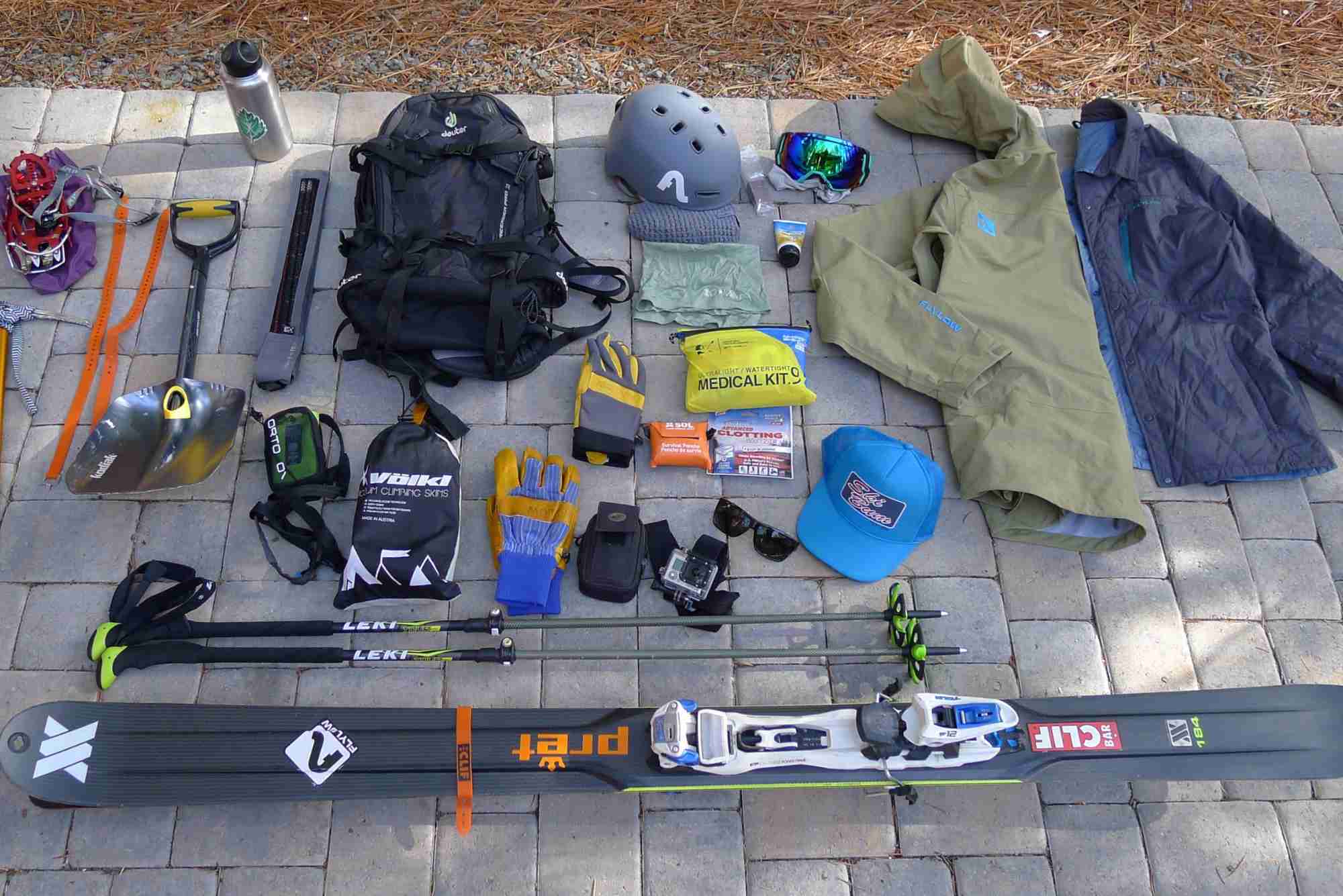
Traveling light for ski trips feels challenging, especially when winter gear seems bulky by design. Yet the right strategy makes it surprisingly easy. In this guide, you will learn how to travel light for ski trips using practical gear choices, smart layering systems, and packing approaches designed for cold-weather efficiency. By the end, you will feel confident preparing for any mountain adventure without overpacking.
Why Traveling Light Matters More on Ski Trips
Ski destinations often require navigating airports, shuttle drops, and mountain lodges. Carrying heavy bags slows everything down, and it often adds unnecessary travel costs. When you learn how to travel light for ski trips, you gain freedom to move quickly and stay organized from the moment you begin your journey. Reducing luggage means smoother transfers, fewer baggage fees, and an easier time keeping your essentials close.
Traveling light is also about enjoying the mountain experience more fully. Instead of rummaging through a cluttered bag, you arrive prepared, warm, and ready to hit the slopes.
Understanding How Weather Shapes Your Packing Strategy
Before you pack, think about the kind of skiing you plan to do. Resorts with warmer spring conditions require fewer insulation layers. Colder, high-altitude areas demand a more structured approach. The key is choosing versatile pieces that adapt to changing temperatures without taking up unnecessary space.
Weather at ski mountains shifts quickly. A mild morning can turn cold and windy by afternoon. That is why layering—not stacking thick clothing—is the foundation of efficient packing.
The Foundation of Lightweight Ski Packing: Layering Systems
Layering helps you carry less while staying warm in any conditions. A well-planned layering system replaces bulky items with thin, high-performance fabrics that provide warmth without weight.
Base Layers That Keep You Dry and Comfortable
The base layer is the piece you wear closest to your skin. Its main job is to keep moisture away from your body. When you sweat in cold temperatures, staying dry is essential. A lightweight merino or synthetic base layer keeps you warm and prevents chills. One top and one bottom are usually enough for most trips, especially if you choose quick-dry materials that you can wash overnight.
Mid Layers That Add Warmth Without Bulk
The mid layer controls insulation. Instead of a thick jacket, choose a versatile fleece or a light insulated mid layer that works with your outer shell. These pieces trap heat efficiently but compress well inside a small suitcase. A single mid layer usually works for most conditions if your outer shell is dependable.
Outer Layers That Protect Against Wind and Snow
Your outer layer is the barrier between you and the mountain environment. A waterproof shell jacket and pants keep wind, snow, and moisture out. Modern shell layers pack down much smaller than traditional insulated ski jackets. They also let you adjust warmth by adding or removing a mid layer, making them ideal for traveling light.
How to Choose Ski Gear That Packs Smaller and Performs Better
Lightweight ski gear is not only easier to pack but also easier to carry around the resort. Every piece you select should earn its place in your bag by offering versatility and durability.
Helmets, Goggles, and Protective Gear
A helmet is essential, yet many travelers overpack this item. Choose a model with a low-profile design and removable padding so it fits inside your main carry-on. Goggles should come with a protective case and one versatile lens that performs in mixed lighting conditions.
Gloves and Neckwear That Adapt to Different Conditions
One pair of warm waterproof gloves is usually enough. Add a thin liner glove if you often ski in very cold environments. A neck gaiter made from merino wool or stretch fleece protects your face and occupies almost no space in your bag.
Ski Socks That Boost Comfort Without Bulk
High-quality ski socks reduce friction and manage temperature better than thicker traditional options. Bringing two pairs is generally enough for most trips. You can rotate them and let one pair dry overnight.
Small Essentials That Make a Big Difference When Packing Light
Your packing approach extends beyond clothing. Small, multi-use items can reduce the load in your bag. Travel-sized toiletries, compact sunscreen, and minimal personal items help you maintain order and avoid overweight luggage. Keeping electronics to essentials only—such as one charger with multi-device compatibility—also saves space.
Boots and Skis: When to Rent and When to Bring Your Own
Ski boots and skis take up the most space. Learning how to travel light for ski trips often means deciding whether to rent or pack them.
When Bringing Boots Makes Sense
If you ski often, your boots likely provide perfect fit and performance. In that case, carrying them may be worth the effort. Storing them in a lightweight boot bag that attaches to your carry-on handle helps you transport them easily through airports.
When Renting Skis Saves Space and Stress
Skis are bulky and expensive to ship. Many travelers choose to rent skis at their destination to reduce luggage and avoid airline fees. Modern rental shops carry high-performance models, which means you can still ski confidently without traveling with your own equipment.
Packing Techniques That Help You Travel Light for Ski Trips
You can make your luggage even lighter by using smart organization. Compressible packing cubes help you separate clean and used items. Rolling clothing instead of folding it reduces wrinkles and maximizes space. Placing heavier items at the bottom of your suitcase gives your bag better balance.
You can also wear your bulkiest pieces during travel, such as your mid layer or your shell jacket. This simple move keeps your suitcase lighter and ensures you stay warm while navigating airports or shuttle stops.
Common Mistakes That Lead to Overpacking on Ski Trips
One of the biggest mistakes travelers make is packing too many backup items. Bringing several extra layers, multiple jackets, or additional pairs of pants quickly fills a suitcase. Another common issue is choosing thick items instead of thin, high-performance alternatives. Oversized sweaters, heavy jackets, and outdated gear often cause unnecessary bulk.
It is also easy to pack too many accessories. Multiple hats, several neck warmers, and spare gloves may seem useful but rarely get used. A light, efficient setup almost always serves you better than a large collection of extras.
How Washing and Drying Strategies Help You Pack Less
Quick-dry fabrics are a major advantage when traveling. You can wash your base layer or socks in the evening and let them dry overnight in your lodge room. This method keeps your luggage light and prepares your gear for another full day on the slopes.
A small travel-sized detergent works well and takes little space. Using radiator heat or placing items near warm airflow in your room speeds up the drying process.
Building Confidence With a Minimalist Ski Packing Mindset
The more you practice packing light for ski trips, the easier it becomes. Over time, you learn which items you use most and which ones always remain in your bag untouched. Many skiers discover they need far fewer items than they originally thought. Developing this awareness gives you confidence to streamline your packing even more on future trips.
FAQ: Real Questions Skiers Ask
How do I pack for a ski trip without overpacking?
Choose lightweight layers, limit yourself to one warm mid layer, and avoid bringing duplicates of bulky items. Focus on versatility instead of quantity to keep your luggage manageable.
Is it better to bring or rent ski equipment?
Renting skis is usually easier for traveling light since they are large and awkward to transport. Bringing only your boots is a good compromise if you prefer your own fit.
How many base layers do I need for a ski trip?
One high-quality base layer usually works for most three-to-five-day trips when you choose quick-dry materials.
What should I wear under my ski jacket?
A moisture-wicking base layer topped with a light mid layer keeps your temperature stable without adding weight.
Can I travel with ski gear as carry-on?
You can often carry on items like boots and outerwear, although skis must go as checked luggage. Wearing bulkier pieces during travel helps you stay within carry-on limits.
Learning how to travel light for ski trips transforms your experience from start to finish. With smart layering, efficient gear choices, and intentional packing techniques, How to Travel Light for Ski Trips — Gear & Layering Tips your journey becomes smoother, lighter, and far more enjoyable. If you want help planning your next mountain adventure, explore more of our travel guides and continue building your perfect lightweight ski setup today.