
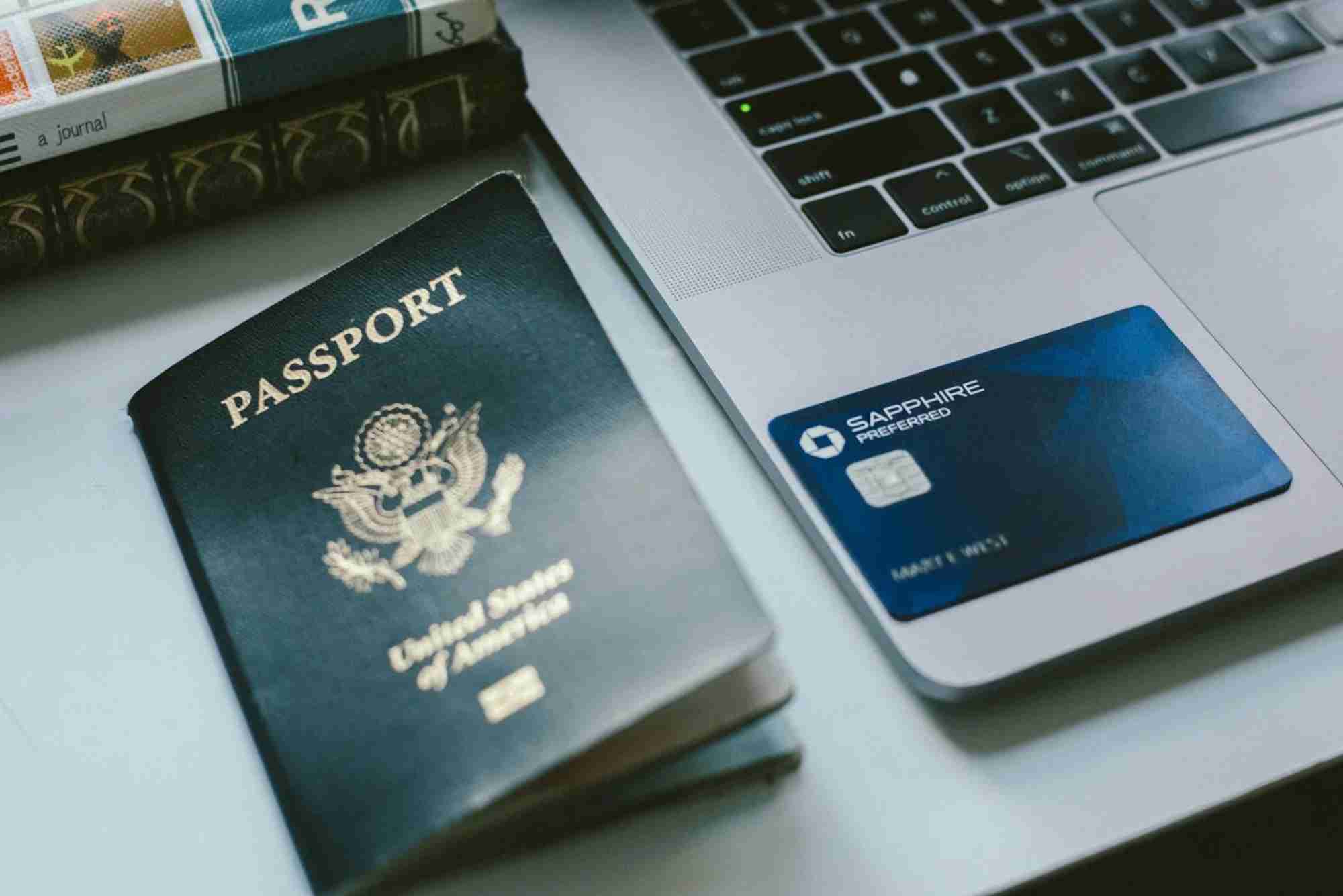
How to Travel Without Triggering Credit Card Fraud Alerts
Traveling is exciting, but it can also put your finances at risk if your credit card company flags unusual activity. Unexpected alerts can lead to declined transactions and stress while you’re abroad. Knowing how to travel without triggering credit card fraud alerts can save time, frustration, and money. This guide provides practical strategies to ensure smooth payments on every trip.
Understanding Credit Card Fraud Alerts
Why Alerts Happen
Credit card companies monitor spending patterns to detect suspicious activity. Sudden high-value purchases, transactions in foreign countries, or rapid multiple charges may trigger alerts. Fraud detection protects you but can interrupt your travel plans.
Common Triggers
Unexpected location changes, frequent online purchases, large hotel or rental car payments, and foreign currency transactions are frequent triggers. Recognizing these triggers helps you prevent unnecessary declines.
Preparing Your Credit Card Before Traveling
Notify Your Bank
Always inform your bank of your travel dates and destinations. Most banks offer a travel notice feature through online banking or customer service. This simple step ensures your account isn’t flagged for unusual activity abroad.
Check Card Compatibility
Not all cards are accepted worldwide. Verify your credit card’s international acceptance and consider a card with chip-and-PIN technology. Having a backup card can prevent issues if one is declined.
Verify Spending Limits
Some cards have daily or monthly spending limits. Check your card’s limits before travel and request temporary increases if needed. This prevents legitimate transactions from being flagged.
Smart Spending Practices While Traveling
Use Familiar Locations
Make your first few transactions at known locations, like your hotel or a major store. Credit card companies are less likely to flag charges at familiar businesses.
Avoid Multiple High-Value Purchases
Multiple high-value transactions in a short time may appear suspicious. Spread out purchases or combine smaller transactions to stay under alert thresholds.
Monitor Account Activity
Use mobile banking apps to track transactions in real time. Promptly flag any unauthorized charges to your bank to avoid prolonged interruptions.
Use Digital Wallets
Digital wallets like Apple Pay or Google Pay can add security and reduce risk. Many digital wallets use tokenized transactions, which banks may recognize as safe, lowering fraud alerts.
Traveling Abroad: Extra Precautions
Use Local Payment Methods Wisely
Some countries primarily use local payment systems. While convenient, unfamiliar transaction patterns can trigger alerts. Balance local and international payments for safety.
Avoid Using Too Many Cards
Limit your travel wallet to one or two primary cards. Multiple cards from different banks can confuse fraud detection systems.
Keep Emergency Numbers Handy
Store your bank’s international contact numbers. If your card is declined, quick communication can restore service without delay.
Secure Your Card Details
Avoid sharing card numbers via unsecured Wi-Fi or messaging apps. Fraudsters often target travelers with phishing schemes.
Online Bookings and Prepaid Services
Book with Trusted Providers
Reserve hotels, flights, and tours through reputable providers. Suspicious-looking merchants may trigger fraud alerts even if the payment is legitimate.
Consider Prepaid Cards
Prepaid travel cards reduce the risk of fraud alerts on your main account. They are especially useful for incidental expenses or secondary travel destinations.
Save Transaction Proofs
Keep receipts, confirmation emails, or screenshots. In case of a dispute, these documents prove legitimate spending.
Travel Insurance and Fraud Protection
Comprehensive Coverage
Travel insurance often includes fraud protection or reimbursement. Understand your policy’s coverage to prevent financial loss from declined or fraudulent charges.
Bank Alerts and Notifications
Enable alerts for transactions over a specific amount. Early notifications help you respond quickly to unexpected charges or alerts.
Using Mobile Apps to Stay Ahead
Bank Apps
Most banks offer real-time alerts, spending summaries, and travel notification options through mobile apps. Use these tools to stay in control.
Currency and Payment Apps
Apps that convert currency and track payments reduce surprises in international transactions. They also help avoid incorrect charge amounts, which can trigger alerts.
How to Travel Without Triggering Credit Card Fraud Alerts, Traveling should be exciting, not stressful. By understanding how credit card fraud alerts work and taking proactive steps, you can enjoy your journey without interruptions. Notify your bank, monitor spending, use trusted payment methods, and have backup options ready. These strategies keep your finances secure and your travels smooth.
Plan ahead, travel smart, and never let a credit card alert ruin your trip. For more financial tips and travel hacks, explore our other guides on travel safety and digital payment strategies.
FAQs
How do I prevent my credit card from being blocked while traveling?
Notify your bank before departure, monitor your account, and make predictable transactions. Avoid multiple high-value charges at once.
Can using multiple cards trigger fraud alerts?
Yes. Using several cards from different banks can look suspicious. Stick to one or two primary cards during travel.
Is it safe to use my credit card in foreign countries?
Yes, but ensure your card is accepted internationally. Notify your bank of travel plans and use secure payment methods.
Are prepaid cards better for traveling abroad?
Prepaid cards can reduce risk to your main account and are useful for secondary expenses. However, they may have usage limits.
What should I do if my card is declined while traveling?
Contact your bank immediately using the international support number. Keep transaction proofs ready for verification.