Introduction
Hiking with your dog is a great way to exercise, explore nature, and strengthen your bond. However, keeping your dog properly hydrated becomes especially important on longer outdoor trips. Fresh water may not always be available along the trail, and natural streams can contain bacteria, parasites, or other contaminants.
That is why choosing the Best Portable Dog Water Bottles and Collapsible Bowls for Hiking can make outdoor adventures much easier. A suitable bottle provides convenient access to drinking water, while a collapsible bowl gives your dog enough space to drink comfortably.
The right hydration gear should be lightweight, leak-resistant, easy to clean, and simple to carry. It should also match your dog’s size and drinking habits. With the right setup, you can spend less time managing water and more time enjoying the trail together.
Why Hydration Matters During Dog Hiking
Dogs lose water through panting, especially during warm or physically demanding activities. Hiking can increase their need for fluids because walking uphill, navigating uneven terrain, and carrying their own gear require additional effort.
A dog may not always show obvious signs of dehydration immediately. Therefore, regular access to water is a safer approach than waiting for your pet to become visibly thirsty.
Portable hydration equipment makes this routine much easier. Instead of searching for a suitable water source, you can offer your dog clean water whenever you stop for a break.

This is particularly useful on exposed trails, dry terrain, and routes where water sources are limited. Even when a trail has streams, carrying your own water remains important because natural water may not be safe for dogs.
What Makes the Best Portable Dog Water Bottles for Hiking?
The Best Portable Dog Water Bottles and Collapsible Bowls for Hiking should combine convenience with practical outdoor performance. Not every pet bottle is designed for active use, so a few features deserve special attention.
Easy One-Handed Use
A good hiking bottle should be simple to operate. You may need to hold a leash, manage your backpack, or help your dog at the same time.
A bottle that allows quick water access can make trail breaks much smoother. Some designs have integrated drinking troughs, while others work with separate bowls.
Leak-Resistant Construction
A leaking bottle can soak your backpack and waste valuable drinking water. Therefore, look for a secure cap and dependable sealing system.
Before taking a new bottle on a long hike, test it at home. Turn it upside down and shake it gently to check for leaks.
Lightweight Design
Every extra item adds weight to your hiking setup. A large, heavy bottle may be unnecessary for short walks.
However, capacity should still match the length and intensity of your hike. A lightweight bottle with adequate capacity is usually more practical than an oversized container.
Safe and Durable Materials
Choose bottles made from materials intended for repeated food or water contact. The bottle should also withstand normal outdoor handling.
Durability matters because hiking equipment can be dropped, scratched, or squeezed into a crowded backpack.
Why Collapsible Bowls Are Useful for Hiking
Collapsible bowls are among the most practical accessories for dog owners who enjoy outdoor adventures. They flatten when empty, making them easy to store inside a backpack or hiking pouch.
When your dog needs water, the bowl can quickly expand into a stable drinking container. Afterward, it can be emptied, rinsed, folded, and stored again.
For many dogs, a bowl is also more comfortable than drinking directly from a narrow bottle opening. This becomes particularly helpful for medium and large dogs that need several drinks during a hike.
The best collapsible bowls should remain stable while your dog drinks. A flexible bowl that collapses too easily may spill water and create unnecessary mess.
Choosing the Right Water Capacity
Water requirements vary between individual dogs. Size, weather, exercise intensity, diet, age, and overall activity level can all affect hydration needs.
Instead of relying on a single universal amount, consider your entire hiking route. Think about the expected temperature, distance, elevation gain, and availability of safe water.
For a short urban trail, a smaller bottle may be enough. Longer backcountry hikes require more careful planning and additional water.
You should also carry enough water for yourself. Sharing your personal drinking supply with your dog can leave both of you without enough water later.
Portable Dog Water Bottles vs. Separate Bowls
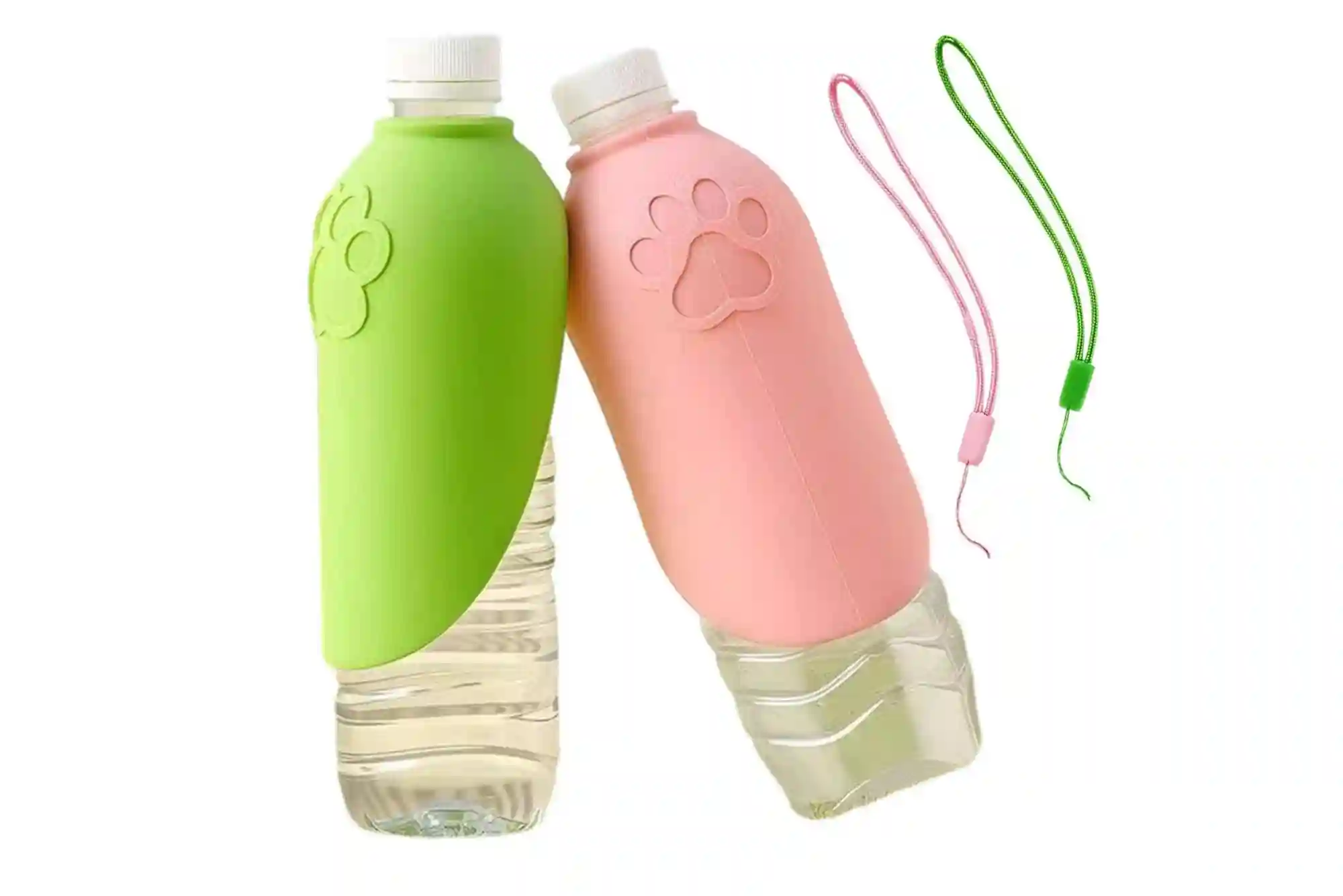
A bottle with an integrated drinking compartment can be extremely convenient. It reduces the number of items you need to carry and allows quick hydration during short breaks.
However, separate bottles and collapsible bowls offer greater flexibility. You can pour the exact amount your dog needs and then store the bowl separately.
For longer hikes, this combination can be particularly practical. You can carry a dedicated water supply while using the bowl as the primary drinking container.
The better choice ultimately depends on your dog’s drinking habits and your hiking style.
How to Use a Dog Water Bottle on the Trail
Introduce your dog to the bottle before your first major hiking trip. Some dogs immediately understand new drinking equipment, while others need time to become comfortable.
Start at home by allowing your dog to investigate the bottle. Then offer small amounts of water during normal walks.
Once your dog accepts the equipment, use it during increasingly longer outings. This prevents the first experience from happening halfway through a demanding trail.
During the hike, offer water during regular breaks. Do not wait until your dog appears exhausted before providing a drink.
A calm drinking routine also gives you an opportunity to check your dog’s breathing, energy level, and overall behavior.
How to Choose a Collapsible Bowl for Your Dog
The right bowl depends heavily on your dog’s size and drinking style. A tiny bowl may work for a small dog but become frustrating for a larger breed.
Look for a bowl with enough depth and width for comfortable drinking. It should also open fully without requiring complicated assembly.
The material should be easy to rinse because outdoor bowls can quickly collect dirt, grass, and trail debris.
A bowl with a carabiner or attachment loop can also be convenient. It can remain outside your backpack for quick access without taking up internal storage space.
Cleaning Portable Dog Hydration Gear
Clean hydration equipment regularly, especially after hiking in muddy or dusty environments.
Rinse bottles and bowls after each outing. If the manufacturer permits it, wash them with mild dish soap and warm water.
Pay particular attention to caps, seams, folding sections, and drinking surfaces. These areas can collect residue that becomes unpleasant over time.
Allow everything to dry completely before storing it. Proper drying helps prevent lingering odors and unwanted microbial growth.
If a bottle becomes scratched, damaged, or difficult to clean, consider replacing it.
Keeping Your Dog Hydrated in Hot Weather
Warm weather makes hydration planning even more important. Dogs can become overheated quickly because they rely heavily on panting to regulate body temperature.
Try to schedule hikes during cooler parts of the day when possible. Choose shaded trails and take regular breaks.
Offer water frequently, but avoid forcing your dog to drink large quantities at once. Allow your dog to drink comfortably while monitoring behavior.
Heavy panting, weakness, confusion, vomiting, excessive drooling, or collapse can indicate a serious heat-related problem. Move your dog to a cooler location and seek veterinary assistance promptly if concerning symptoms develop.
A portable bottle and bowl cannot replace good heat management. They are simply useful tools within a broader hiking safety plan.
Avoid Letting Dogs Drink From Unsafe Water Sources
Natural water can look clean while containing organisms that may make dogs sick. Standing water can be particularly questionable.
Avoid allowing your dog to drink from stagnant ponds, puddles, or visibly contaminated sources.
Even flowing streams are not automatically safe. Agricultural runoff, wildlife activity, and upstream contamination can affect water quality.
Carrying your own supply gives you greater control over what your dog drinks. On longer adventures, consider carrying additional water or using a suitable pet water filtration method.
Packing a Dog Hydration Kit
A practical hiking hydration kit does not need to be complicated. Your setup can include a portable water bottle, collapsible bowl, enough fresh water for the route, and a small backup supply.
You may also want a towel for wet paws, waste bags, and basic first-aid supplies. Keeping these items together makes preparation faster.
Before leaving, check that the bottle is filled and the cap is properly secured. Also inspect the bowl for cracks, damaged seams, or signs of excessive wear.
A few minutes of preparation can prevent frustrating problems once you are several miles into a trail.
Common Mistakes Dog Owners Make
One common mistake is carrying too little water. Owners sometimes assume that a trail stream will provide enough water. Unfortunately, natural sources can be seasonal or unsafe.
Another mistake is testing new equipment for the first time on a long hike. Your dog may refuse to use an unfamiliar bottle or bowl.
Some owners also forget that hydration needs increase with heat and exercise. A water plan should therefore account for the actual trail conditions.
Finally, avoid carrying everything loose inside your backpack. Keeping the bottle and bowl easily accessible makes hydration stops faster and more convenient.
Frequently Asked Questions
How much water should I bring when hiking with my dog?
There is no single amount suitable for every dog or trail. Consider your dog’s size, activity level, weather, route length, and access to safe water. Carry extra water when conditions are hot or uncertain.
Can dogs drink from portable water bottles?
Yes, many dogs can drink from portable pet water bottles. However, some dogs prefer drinking from a bowl. Training your dog to use the bottle before hiking can make outdoor trips easier.
Are collapsible bowls safe for dogs?
Generally, collapsible bowls designed for pets can be suitable for regular use. Choose a durable bowl made from pet-safe materials and keep it clean between uses.
Should dogs drink from streams while hiking?
It is safer to avoid untreated natural water when possible. Streams can contain harmful microorganisms or contaminants. Carrying clean water provides a more controlled hydration option.
How often should I give my dog water while hiking?
Offer water regularly during breaks rather than waiting for obvious signs of thirst. Increase the frequency during hot weather or strenuous hikes.
What should I look for in a hiking water bottle for dogs?
Prioritize leak resistance, appropriate capacity, lightweight construction, easy cleaning, durable materials, and convenient access. The bottle should also suit your dog’s drinking preferences.
Conclusion
Choosing the Best Portable Dog Water Bottles and Collapsible Bowls for Hiking can make outdoor adventures safer and more convenient. A reliable bottle provides clean water, while a collapsible bowl gives your dog a comfortable place to drink