
Introduction
Pet strollers have become a practical way to help small dogs and senior pets enjoy life outside the home. They provide mobility when walking becomes tiring, while also offering protection from busy streets, rough sidewalks, and changing weather. For many owners, a stroller is not a replacement for walking. Instead, it gives pets another safe way to experience the outdoors.
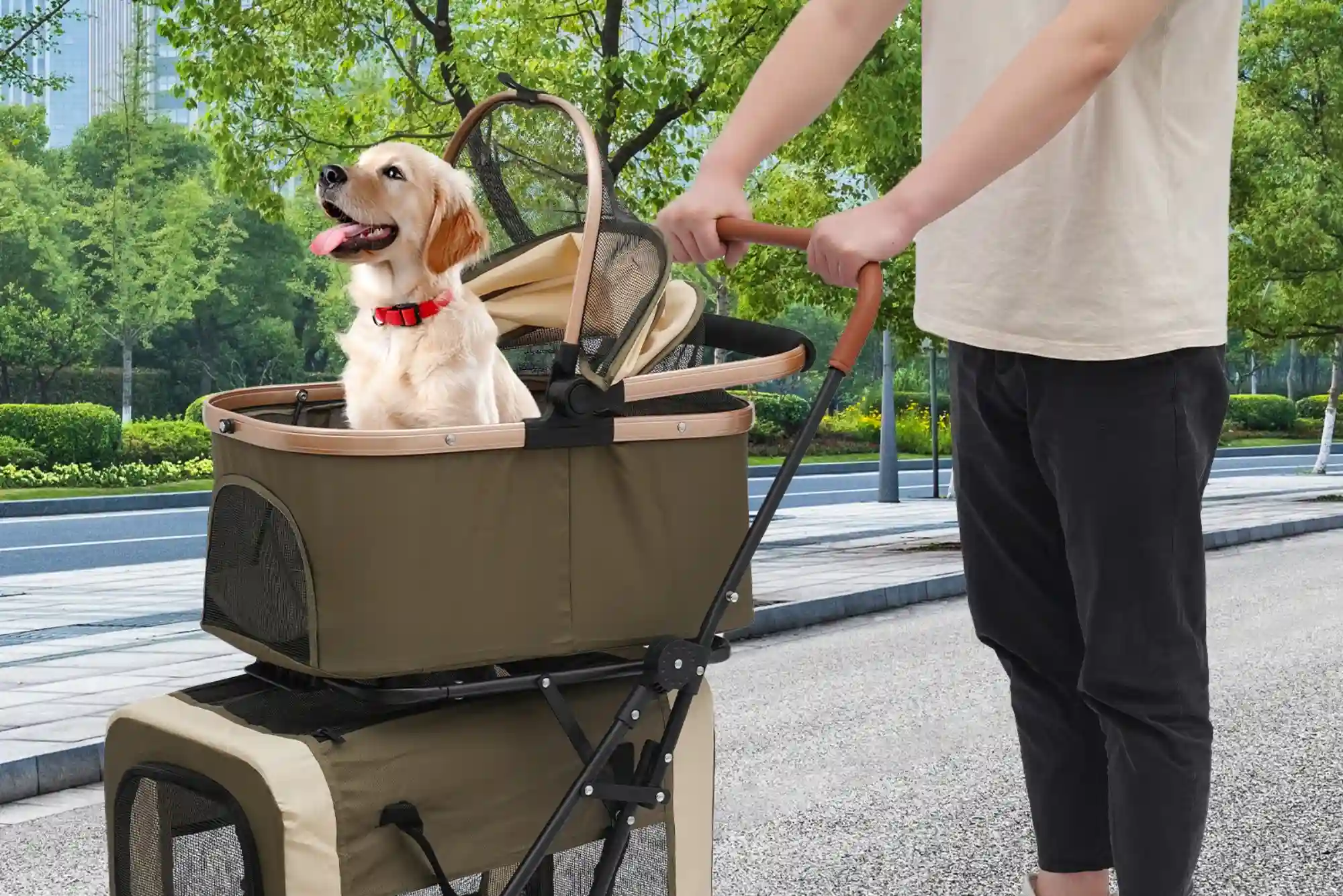
Choosing among the Best Pet Strollers for Small Dogs and Senior Pets for Travel & Urban Walks requires more than checking appearance. The right stroller should match your pet’s size, mobility, temperament, and travel needs. It should also be easy for you to push, fold, store, and clean.
A lightweight stroller may work well for daily errands. However, frequent travelers may need stronger wheels and a compact folding design. Senior pets can also benefit from low-entry cabins and supportive interiors.
Why Pet Strollers Are Useful for Small and Senior Dogs
Small dogs can become overwhelmed in crowded urban areas. They may also struggle with long walks on hot pavement. A stroller provides a comfortable place to rest while keeping them close to you.
Senior dogs have different needs. Age-related stiffness can make extended walks uncomfortable. Some older pets still want to explore their surroundings despite having limited stamina. A stroller allows them to enjoy fresh air without excessive physical strain.
The Best Pet Strollers for Small Dogs and Senior Pets for Travel & Urban Walks therefore combine comfort with practical mobility. They should provide adequate ventilation and secure closures. They should also offer enough interior room for your pet to sit, stand, and reposition comfortably.

A stroller can be especially useful during shopping trips, outdoor events, neighborhood walks, and vacations. It may also help pets recovering from temporary mobility limitations. Always follow your veterinarian’s advice when mobility concerns involve illness or injury.
What to Look for in the Best Pet Strollers
The best stroller depends on your pet and how you plan to use it. Therefore, consider several practical features before buying one.
Correct Size and Weight Capacity
Size is one of the most important considerations. Your pet should have enough space to sit and turn comfortably. However, excessive interior space can make a small dog feel less secure.
Always check the manufacturer’s weight limit. Measure your pet before purchasing. Remember that the stroller should support your pet’s weight without becoming difficult to control.
For senior pets, interior space becomes even more important. They may need room to change positions during longer outings.
Comfortable Interior
A supportive cabin can make the difference between a pleasant ride and an uncomfortable experience. Look for soft, removable padding that can be washed easily.
A flat and stable floor is useful for older dogs. It reduces unnecessary movement while the stroller is rolling. Cushioned surfaces can also provide additional comfort on longer trips.
Avoid interiors that are excessively cramped. Your pet should not need to remain in one uncomfortable position throughout the journey.
Ventilation and Visibility
Good ventilation is essential during outdoor travel. Mesh panels allow fresh air to circulate through the cabin. They can also help your pet see the surrounding environment.
Visibility matters because some dogs become anxious when enclosed. A stroller with multiple mesh windows can provide reassurance. However, the openings should remain securely closed when necessary.
During warm weather, never rely on ventilation alone. Keep outdoor trips appropriate for the temperature and your pet’s condition.
Safety Features
Safety should be considered before style or appearance. A secure leash attachment can help prevent your dog from jumping out. Reliable zippers and closures can also keep curious pets safely inside.
The stroller should have a dependable braking system. This feature becomes particularly important when stopping on slopes or crowded sidewalks.
Reflective details can improve visibility during low-light walks. A sturdy frame also reduces unwanted movement when navigating uneven surfaces.
Choosing a Stroller for Urban Walks
City walking presents unique challenges. Sidewalks can contain cracks, curbs, crowds, bicycles, and other obstacles. Therefore, wheel quality is especially important.
Larger wheels generally handle uneven surfaces better. Swivel front wheels can make turning easier in busy areas. However, very large wheels can increase the stroller’s overall size.
A good urban stroller should also have a comfortable handle. You may spend considerable time pushing it through streets and parks. Adjustable handles can be helpful for households with users of different heights.
Storage space is another practical advantage. A small basket can hold treats, water, waste bags, and personal items. However, avoid overloading the stroller because excess weight can affect handling.
Pet Strollers for Travel
Travel requires additional planning. A stroller that works perfectly around your neighborhood may be inconvenient at airports or hotels.
Frequent travelers should consider folding size and overall weight. A compact stroller is easier to place in a vehicle or store in a hotel room.
Check transportation rules before taking a pet stroller on a trip. Airlines, rail operators, and other transportation providers may have different requirements. A stroller’s dimensions may also affect whether it can be stored onboard.
For road trips, durability and storage are often more important than ultra-compact folding. For air travel, portability may become the priority.
The Best Pet Strollers for Small Dogs and Senior Pets for Travel & Urban Walks should fit your actual travel routine. Consider how often you travel and where the stroller will be used.
Three-Wheel vs. Four-Wheel Pet Strollers
Three-wheel designs often provide responsive steering. They can be convenient when navigating parks and crowded sidewalks. Their design may also make tight turns easier.
Four-wheel models can provide a stable platform. This may be useful for senior dogs that need a steady ride. They can also feel more balanced when carrying heavier pets.
Neither configuration is automatically suitable for every dog. Consider your walking environment, pet’s size, and preferred handling style.
Lightweight or Heavy-Duty Strollers?
Lightweight strollers are convenient for everyday use. They are easier to lift into cars and carry upstairs. They can also be simpler to store in smaller homes.
Heavy-duty models generally focus more on durability and stability. They may use stronger frames and larger wheels. These features can help when traveling over rougher surfaces.
However, additional durability often means additional weight. Before choosing a heavy model, consider whether you can comfortably lift and transport it.
For occasional urban walks, lightweight construction may be sufficient. For frequent outdoor use, a more robust design may make sense.
How to Help Your Dog Accept a Stroller
Some dogs immediately enjoy riding in a stroller. Others need time to understand the new experience.
Start indoors with the stroller stationary. Allow your dog to investigate it without pressure. Place familiar bedding inside to create a comfortable environment.
Next, encourage your dog to sit inside for short periods. Reward calm behavior with praise or appropriate treats. Once your pet appears comfortable, move the stroller slowly indoors.
Gradually transition to short outdoor trips. Avoid crowded places during the first few outings. A calm environment allows your pet to adjust to movement and unfamiliar sounds.
Never force a frightened dog into prolonged stroller rides. Patience usually produces a better experience for both pet and owner.
Keeping a Pet Stroller Clean
Pet strollers can collect hair, dirt, moisture, and outdoor debris. Regular cleaning keeps the cabin more comfortable and hygienic.
Choose removable, machine-washable padding whenever possible. Wipe the frame and wheels after walks in muddy or wet conditions.
Inspect the wheels periodically. Hair and debris can interfere with smooth movement. Also check zippers, leash attachments, brakes, and folding mechanisms.
A simple maintenance routine can extend the stroller’s useful life. It also makes every outing more pleasant for your pet.
Common Mistakes When Buying a Pet Stroller
One common mistake is focusing only on the advertised weight limit. Capacity matters, but interior dimensions matter too. Your pet needs usable space rather than simply a strong frame.
Another mistake is ignoring wheel quality. Small wheels may perform poorly on cracked sidewalks. Similarly, an oversized stroller can become difficult to maneuver indoors.
Some owners also overlook ventilation. A stylish cabin is not useful if airflow is inadequate.
Finally, avoid choosing a stroller solely because it looks attractive. Consider your pet’s comfort and your everyday routine first. The most suitable design is the one that works naturally for both of you.
Are Pet Strollers Good for Senior Dogs?
Pet strollers can be useful for senior dogs that tire easily. They allow older pets to participate in outdoor activities without requiring continuous walking.
However, a stroller should not automatically replace appropriate exercise. Healthy movement can remain valuable for senior dogs when they can walk comfortably.
Use the stroller as a mobility option rather than assuming every senior dog needs one. Pay attention to your pet’s behavior during outings. Signs of discomfort should be taken seriously.
For pets with specific medical conditions, discuss suitable activity levels with a veterinarian.
Frequently Asked Questions
Are pet strollers good for small dogs?
Yes, pet strollers can be useful for small dogs. They provide a secure way to travel through busy areas. They can also reduce exposure to hot pavement and tiring walks.
Are dog strollers good for senior dogs?
They can be particularly helpful for senior dogs with reduced stamina. A stroller lets them enjoy outdoor experiences while limiting prolonged walking.
Can a dog sleep in a stroller?
Many dogs can rest comfortably in a stroller during outings. However, the cabin should provide adequate ventilation and enough room for natural movement.
How do I choose the right size pet stroller?
Measure your dog’s length, height, and weight before purchasing. Compare those measurements with the manufacturer’s interior dimensions and weight capacity.
Can I take a pet stroller on public transportation?
Rules vary between transportation providers. Always check the specific operator’s current pet and stroller requirements before traveling.
How do I get my dog used to a stroller?
Begin with short indoor sessions. Let your dog explore the stroller before moving it. Gradually introduce movement and then progress to brief outdoor trips.
Conclusion
The Best Pet Strollers for Small Dogs and Senior Pets for Travel & Urban Walks can make outdoor adventures more accessible and comfortable. The ideal choice depends on your pet’s size, mobility, personality, and your lifestyle.