
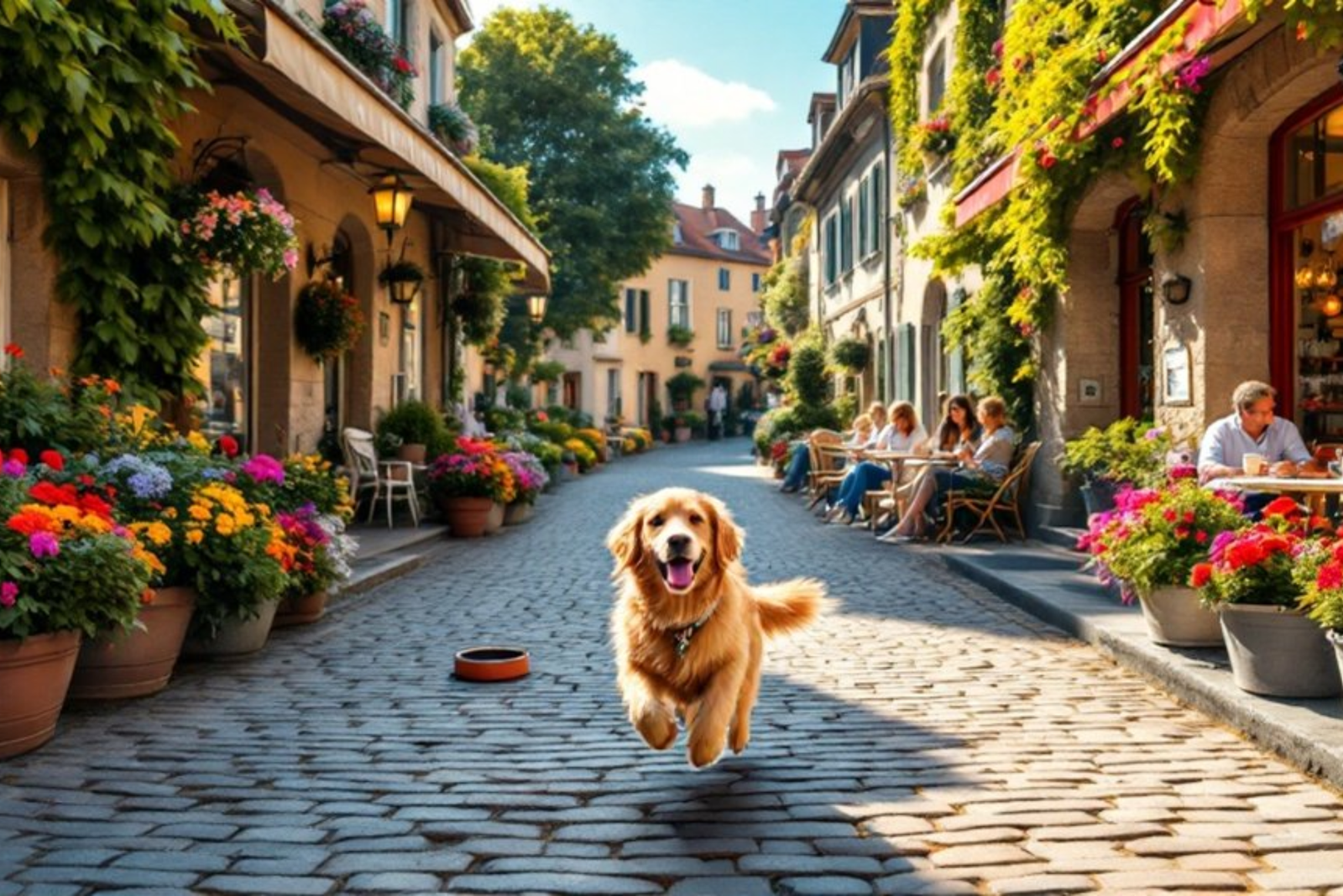
Top 10 Dog-Friendly European Cities: Paris, Berlin, Amsterdam & Rome
Traveling with a dog can make a European holiday more memorable. However, some cities are easier for pets than others. Good public transport, open parks, outdoor cafés, and welcoming accommodation can make a major difference.
The Top 10 Dog-Friendly European Cities: Paris, Berlin, Amsterdam & Rome guide explores destinations where dogs can enjoy city life alongside their owners. Paris offers charming streets and outdoor cafés. Berlin provides extensive green spaces and relaxed pet policies. Amsterdam combines canals with excellent walking routes, while Rome offers historic scenery and plenty of outdoor spaces.
Whether you are planning a weekend break or a longer European adventure, choosing the right destination can simplify your trip. It is also important to check local rules before traveling, because leash requirements and transport policies can vary.
What Makes a European City Dog-Friendly?
A genuinely dog-friendly city offers more than pet-friendly hotels. Owners need convenient walking areas, accessible transport, suitable restaurants, and safe public spaces.
Green areas are especially valuable. Dogs need opportunities to exercise after spending time on trains or planes. Cities with large parks and pedestrian-friendly neighborhoods can therefore provide a more comfortable experience.
Public transportation also matters. Some European networks allow dogs under specific conditions. Owners should check whether carriers, muzzles, tickets, or leashes are required.

Accommodation is another important consideration. A hotel may advertise itself as pet-friendly while applying additional fees or restrictions. Always confirm the current conditions before booking.
Top 10 Dog-Friendly European Cities at a Glance
| City | Dog-Friendly Highlights | Best For |
|---|---|---|
| Paris | Parks, cafés, walkable neighborhoods | Culture and city walks |
| Berlin | Large parks and relaxed atmosphere | Outdoor adventures |
| Amsterdam | Canals, parks, pedestrian areas | Scenic walks |
| Rome | Historic streets and outdoor spaces | History and sightseeing |
| Vienna | Parks, public transport, green spaces | Relaxed city breaks |
| Copenhagen | Walkable areas and green spaces | Easy urban exploration |
| Munich | Parks and nearby nature | Active travelers |
| Barcelona | Parks, beaches, and outdoor areas | Warm-weather trips |
| Lisbon | Hills, viewpoints, and outdoor cafés | Scenic exploration |
| Prague | Historic streets and green spaces | Architecture and walks |
Paris: A Classic Destination for Dog Owners
Paris deserves a place among the Top 10 Dog-Friendly European Cities: Paris, Berlin, Amsterdam & Rome because dogs are commonly seen throughout the city.
The city is ideal for walking. Neighborhoods such as Le Marais and Saint-Germain offer interesting streets and outdoor spaces. Many cafés also provide outdoor seating where dogs can accompany their owners.
Paris has numerous gardens and parks. However, individual gardens can have different rules concerning dogs. Checking signage is essential before entering.
Public transportation rules should also be checked before traveling. Requirements can differ depending on the size of the dog and the transport service.
For accommodation, look beyond large hotels. Pet-friendly apartments and smaller hotels can provide additional flexibility for travelers with dogs.
Why Paris Works for Dog-Friendly Travel
Paris combines walkable districts with abundant outdoor dining. This makes it possible to experience the city without leaving your dog behind for every activity.
Berlin: Space, Parks, and Outdoor Freedom
Berlin is another strong destination for travelers with dogs. The city has extensive green areas and numerous walking routes.
The Tiergarten provides a central escape from busy streets. Other parks and recreational areas also give dogs room to exercise.
Berlin’s relaxed atmosphere can make urban travel easier. Many residents regularly include dogs in everyday activities, from neighborhood walks to outdoor socializing.
However, owners should still follow local leash requirements. Rules can change between public spaces, transport systems, and specific districts.
Exploring Berlin With a Dog
Berlin works particularly well for active owners. Long walks can easily be combined with sightseeing, cafés, and neighborhood exploration.
Amsterdam: Canals, Parks, and Scenic Walks
Amsterdam is famous for its canals, bicycles, and compact neighborhoods. It can also be an enjoyable destination for dog owners.
The city’s walking environment makes short sightseeing trips convenient. Vondelpark is particularly popular for outdoor recreation, although dog regulations may apply in specific areas.
Amsterdam also offers numerous outdoor cafés and restaurants. This creates more opportunities for owners to take their dogs along.
Cycling requires additional care. Busy bike lanes can be challenging for unfamiliar dogs. Walking may be safer in crowded areas.
What Makes Amsterdam Special?
Amsterdam combines picturesque scenery with accessible outdoor spaces. Its compact layout also reduces the need for lengthy journeys between attractions.
Rome: History Meets Outdoor Exploration
Rome provides an exciting experience for dog owners who enjoy history. Its streets are filled with ancient landmarks, plazas, and atmospheric neighborhoods.
Many sightseeing experiences can be enjoyed outdoors. Walking through areas around historic attractions can therefore be easier with a dog than visiting indoor museums.
Rome also has parks and green areas where dogs can take a break from busy streets. Water is particularly important during warmer months.
Summer temperatures can become uncomfortable for dogs. Early-morning and evening walks are often more practical during hot periods.
Enjoying Rome Responsibly
Crowded historic areas require extra attention. Keep your dog close and avoid busy pedestrian spaces when necessary.
Vienna: Elegant Streets and Green Spaces
Vienna combines historic architecture with substantial green areas. The city can suit travelers who want culture without giving up outdoor time.
Prater is one of the city’s best-known recreational areas. It offers plenty of space for walking and relaxation.
Vienna also has an established public transport network. Dog owners should check the current transport requirements before boarding.
The city works well for slower-paced trips. Owners can combine sightseeing with regular breaks in parks and open spaces.
Copenhagen: A Comfortable City for Walking
Copenhagen is compact and relatively easy to explore on foot. Its pedestrian areas and green spaces can make city travel convenient with a dog.
The city’s outdoor culture is another advantage. Restaurants and cafés often provide outdoor seating, although individual pet policies differ.
Dog owners should pay attention around busy cycling routes. Keeping a dog on a short leash can help prevent unexpected encounters.
Copenhagen is especially suitable for travelers who enjoy relaxed walks rather than tightly scheduled sightseeing.
Munich: Urban Attractions Near Nature
Munich offers an appealing combination of city attractions and nearby natural spaces. The English Garden is a major highlight for people traveling with dogs.
Its extensive paths provide opportunities for longer walks. Dogs can enjoy exercise while owners experience one of the city’s most recognizable green spaces.
Munich also provides convenient access to outdoor destinations beyond the city center. This makes it useful for travelers planning a mixture of urban and nature-based activities.
Barcelona: Outdoor Living and Mediterranean Scenery
Barcelona can be attractive for dog owners because outdoor life is an important part of the city’s culture.
Parks, pedestrian areas, and outdoor dining create opportunities for spending time together. However, beach access for dogs depends on local regulations and the season.
Warm weather requires additional planning. Dogs need regular access to water and shade, particularly during summer.
Owners should also avoid walking dogs on extremely hot pavement. Cooler parts of the day are generally more comfortable.
Lisbon: Scenic Streets and Outdoor Cafés
Lisbon’s historic neighborhoods provide plenty of opportunities for walking. The city’s viewpoints and outdoor cafés can make relaxed exploration enjoyable.
Its steep streets can also be physically demanding. Owners should consider their dog’s age, fitness, and tolerance for long walks.
Several parks and waterfront areas provide opportunities to take breaks. Checking local rules before visiting specific attractions remains important.
Lisbon can be particularly enjoyable for travelers who prefer flexible itineraries. Instead of rushing between attractions, owners can explore neighborhoods gradually.
Prague: Historic Charm and Green Spaces
Prague combines historic architecture with numerous walking opportunities. Its old streets and public squares create a distinctive sightseeing experience.
The city also has parks and recreational areas where dogs can exercise. Letná Park, for example, offers broad outdoor spaces and city views.
Crowded tourist areas require careful handling. A secure leash and awareness of pedestrians can make the experience more comfortable for everyone.
How to Choose the Right Dog-Friendly European City
The Top 10 Dog-Friendly European Cities: Paris, Berlin, Amsterdam & Rome are not identical. Each destination suits different travel styles.
Consider your dog’s temperament first. A nervous dog may prefer quieter neighborhoods. A highly energetic dog may benefit from cities with large parks.
Travel distance also matters. Long flights or train journeys can be stressful. Choosing a destination with straightforward transportation can reduce unnecessary complications.
Weather should also influence your decision. Dogs can struggle with extreme heat or cold. Check seasonal conditions before booking your trip.
Finally, investigate accommodation rules carefully. Pet fees, size restrictions, and room limitations can differ considerably.
Tips for Traveling Around Europe With a Dog
Before departure, prepare your dog’s travel documents and identification. Requirements can differ depending on your origin and destination.
A comfortable carrier may be necessary for some transportation services. Even when a carrier is not mandatory, having one can provide additional security.
Pack familiar food, water, medication if prescribed, waste bags, and a portable bowl. Familiar items can also help reduce travel stress.
During sightseeing, schedule regular breaks. Dogs may become tired faster than their owners expect.
Most importantly, respect local rules. Leash regulations, public transport requirements, and access restrictions exist to protect both animals and other travelers.
FAQ About Dog-Friendly European Cities
What is the most dog-friendly city in Europe?
There is no single standard that defines the most dog-friendly European city. Different destinations offer different advantages.
Berlin has extensive green areas, while Amsterdam offers scenic walking opportunities. Paris provides outdoor cafés and walkable neighborhoods.
The best choice depends on your dog’s needs, travel style, and planned activities.
Are dogs allowed in Paris?
Dogs are allowed in many parts of Paris, but specific rules apply to parks, gardens, restaurants, and public transportation.
Owners should check current regulations for each location before visiting.
Is Berlin good for traveling with a dog?
Berlin can be convenient for dog owners because it has many parks and outdoor spaces. Its relatively relaxed urban atmosphere can also make walking enjoyable.
However, local leash and transportation requirements still apply.
Can I take my dog to Amsterdam?
Yes, dogs can accompany travelers in Amsterdam, although individual attractions, restaurants, parks, and transportation services may have their own rules.
Always verify the policy before visiting.
Are dogs allowed in Rome?
Dogs can visit many outdoor areas in Rome. However, access to indoor attractions and individual establishments can vary.
Owners should plan sightseeing around dog-accessible locations.
Which European city is easiest to explore on foot with a dog?
Several European cities offer strong walking opportunities. Amsterdam, Copenhagen, Lisbon, and Paris can work well for owners who enjoy exploring neighborhoods on foot.
The best option depends on your dog’s stamina and the season.
Conclusion: Planning a Dog-Friendly European Adventure
The Top 10 Dog-Friendly European Cities: Paris, Berlin, Amsterdam & Rome offer varied experiences for travelers and their pets. Paris combines culture with neighborhood walks. Berlin provides extensive green spaces. Amsterdam offers canals and scenic routes, while Rome adds history and outdoor exploration.
Vienna, Copenhagen, Munich, Barcelona, Lisbon, and Prague also provide interesting options for dog owners.
Before traveling, confirm accommodation policies, transport rules, entry requirements, and local dog regulations. With thoughtful planning, your European adventure can be comfortable for both you and your four-legged companion.
Ready to plan your next trip? Choose a city that matches your dog’s needs, check the current local rules, and build an itinerary with plenty of walking and rest time.