Introduction
Flying with an animal can make travel more comfortable for people who need emotional or psychiatric support. However, airline policies differ significantly for Emotional Support Animals (ESAs) and Psychiatric Service Dogs (PSDs). Understanding these differences helps passengers prepare properly and avoid unexpected travel problems.
When learning how to fly with an Emotional Support Animal (ESA) vs Psychiatric Service Dog (PSD), the most important factor is the animal’s legal classification. Airlines generally treat ESAs as pets, while qualifying psychiatric service dogs receive disability-related protections under applicable aviation regulations. This distinction affects cabin access, fees, documentation, and booking procedures.
Whether you experience anxiety during flights or rely on a trained service dog for psychiatric disability-related tasks, preparation matters. Understanding airline requirements before booking can make your journey smoother and more predictable.
Understanding the Difference Between an ESA and a PSD
An Emotional Support Animal provides comfort through its presence and companionship. People may rely on ESAs to help manage emotional difficulties and improve their everyday well-being. However, an ESA does not need specialized task training to provide emotional support.
A Psychiatric Service Dog is trained to perform specific tasks for a person with a psychiatric disability. These tasks may include interrupting panic-related behaviors, reminding a handler to take prescribed medication, or helping the handler respond to certain symptoms. The dog must be individually trained to perform work or tasks related to the person’s disability.
The distinction is important when traveling by air. An airline may allow an ESA to travel under its standard pet policy, subject to applicable restrictions and fees. A qualifying PSD may travel in the aircraft cabin under service-animal rules, provided the passenger meets the relevant requirements.

Therefore, passengers should never assume that an emotional support letter automatically grants an animal service-dog access. Documentation, training, and applicable regulations determine the available travel arrangements.
How to Fly with an Emotional Support Animal (ESA) vs Psychiatric Service Dog (PSD)
The process depends on the animal’s classification and the airline’s current policies. Passengers should confirm these requirements directly with their chosen carrier before purchasing tickets.
Flying with an Emotional Support Animal
In the United States, airlines are generally not required to recognize emotional support animals as service animals under the Air Carrier Access Act. Consequently, most airlines treat ESAs as pets rather than granting them special disability-related cabin access.
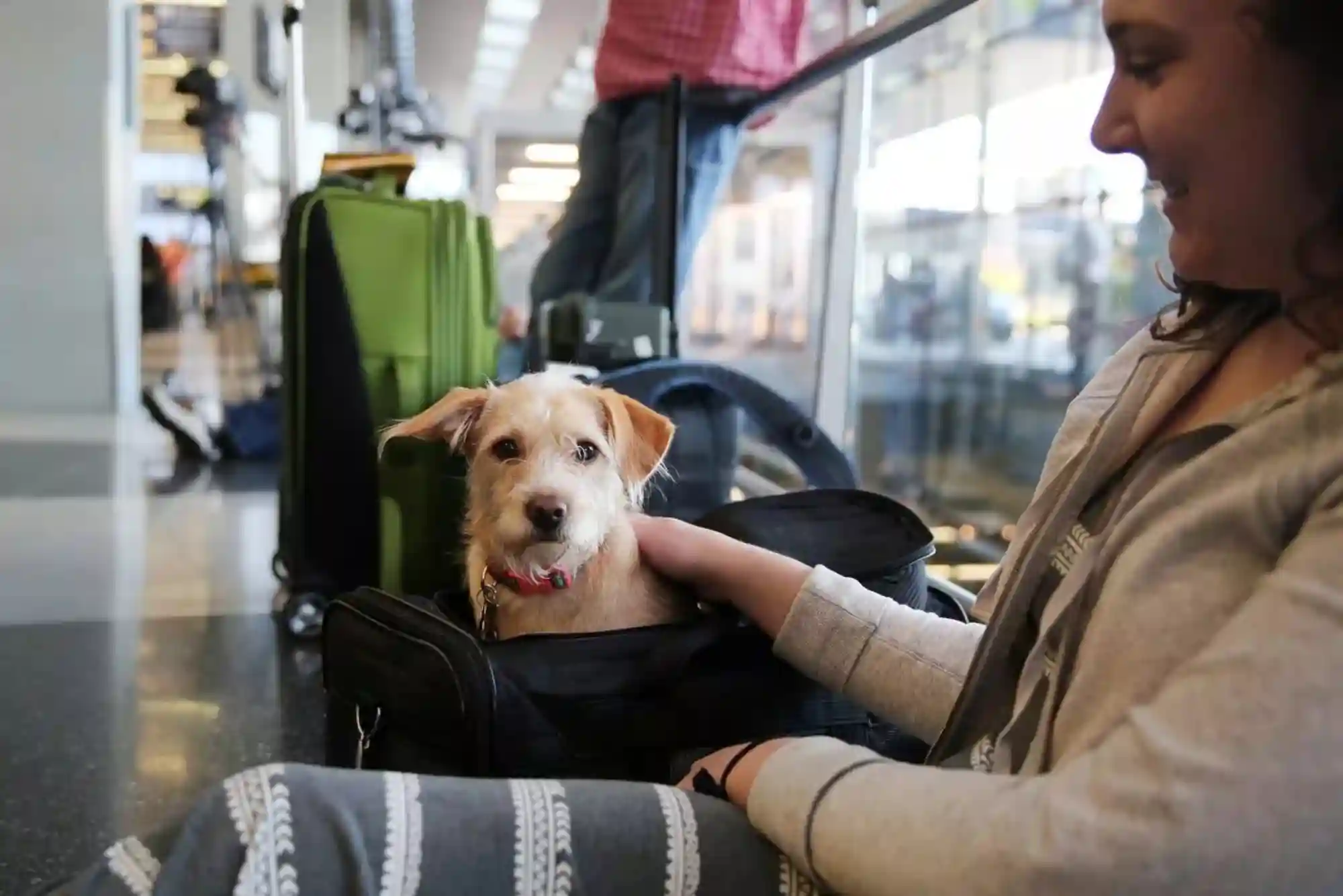
If you plan to fly with an ESA, check the airline’s pet policy first. The carrier may require your animal to remain inside an approved carrier beneath the seat. Weight restrictions, carrier dimensions, route limitations, and pet transportation fees may also apply.
Some airlines limit the number of pets permitted in the cabin. Others restrict animals on particular aircraft or international routes. Booking early is helpful because pet spaces may be limited.
An ESA letter from a licensed mental health professional may support an individual’s need for emotional support. However, it does not automatically exempt the animal from airline pet policies.
Passengers should also review destination requirements. International travel may involve vaccination records, microchip identification, veterinary certificates, import permits, or quarantine procedures.
Flying with a Psychiatric Service Dog
A qualifying psychiatric service dog may accompany an eligible passenger in the aircraft cabin under applicable service-animal regulations. In the United States, the Department of Transportation generally recognizes trained dogs that assist individuals with disabilities.
The dog must be trained to perform specific tasks related to the handler’s disability. Providing comfort through companionship alone does not meet this requirement.
Airlines may request the U.S. Department of Transportation Service Animal Air Transportation Form. For certain flights lasting eight hours or longer, they may also require the additional relief attestation. Requirements should be confirmed with the airline before departure.
Passengers should submit required documentation within the carrier’s specified timeframe. Some airlines require forms at least 48 hours before departure when a reservation is made sufficiently early. Procedures can vary, so checking directly with the airline is essential.
A psychiatric service dog generally travels without the standard pet fee when accepted under applicable service-animal rules. Nevertheless, the handler must follow safety requirements and ensure the dog remains under control throughout the journey.
Airline Rules and Documentation Requirements
Airline rules are among the most important considerations when deciding how to fly with an Emotional Support Animal (ESA) vs Psychiatric Service Dog (PSD). Requirements depend on the route, destination, and applicable aviation laws.
For an ESA traveling as a pet, airlines commonly require advance reservations and an approved carrier. They may request health certificates or vaccination records, particularly for international journeys. Some destinations also require official animal-import documentation.
For a psychiatric service dog, U.S. airlines may require the Department of Transportation service-animal form. This form addresses the dog’s health, behavior, training, and ability to remain under control during travel.
Passengers should provide accurate information and avoid purchasing certificates that falsely claim an animal is a trained service dog. Online registrations and identification cards do not independently establish service-animal status.
For international flights, passengers must check both departure and destination requirements. Another country may apply different definitions of service animals or require additional documentation. A dog accepted under one country’s rules may not automatically qualify under another country’s regulations.
Preparing Your Animal for Air Travel
Preparation helps reduce stress for both passengers and animals. Start by reviewing airline requirements several weeks before departure, especially when traveling internationally.
If your ESA will travel as a pet, introduce the approved carrier gradually. Allow the animal to explore it at home and associate it with familiar bedding or treats. This can make confinement less stressful during the flight.
For a psychiatric service dog, practice airport-related routines before travel. The dog should be comfortable navigating busy spaces, remaining calm around strangers, and settling near the handler’s feet when appropriate.
Schedule a veterinary appointment if health documentation is required. Ask your veterinarian about feeding schedules, hydration, motion sickness, and destination-specific health precautions. Avoid sedating an animal without veterinary guidance.
On departure day, allow enough time for check-in and security screening. Carry necessary records and keep your airline’s service-animal or pet policy accessible. Familiar supplies can also help your animal remain comfortable during delays.
What Happens During Airport Security and Boarding?
Security screening procedures depend on the country and airport. In the United States, passengers traveling with service animals generally follow Transportation Security Administration screening procedures. Officers may ask the handler to manage the dog during screening.
Pet carriers are usually screened according to airport security requirements. Passengers may need to remove their animals from carriers when instructed. Always follow security personnel’s directions and keep the animal securely controlled.
During boarding, an accepted psychiatric service dog must follow airline safety requirements. The dog generally needs to fit within the handler’s foot space without obstructing aisles or emergency exits. Airlines may discuss alternative seating arrangements when necessary.
An ESA traveling as a pet must follow the airline’s approved carrier and placement rules. Passengers should never assume they can hold an ESA in their lap throughout the flight.
Remaining calm, cooperative, and prepared helps make these procedures easier. If you have questions about screening arrangements, contact the airport or airline before travel.
Common Mistakes to Avoid When Flying with an ESA or PSD
One frequent mistake is assuming that an ESA letter guarantees free cabin travel. In most U.S. commercial aviation situations, emotional support animals are subject to airline pet policies.
Another mistake is confusing service-dog registration with legitimate task training. There is no universal online registration that automatically gives a dog legal service-animal status.
Passengers may also overlook advance deadlines. Missing a required form submission can create complications during check-in. Confirm the airline’s current requirements before the deadline.
International documentation is another common problem. Vaccination rules, import permits, and health certificates may take time to arrange. Begin researching destination requirements well before departure.
Finally, avoid assuming that every airline applies identical rules. Policies can differ by carrier, aircraft, route, and destination. Always verify the conditions that apply to your specific booking.
Frequently Asked Questions
Can I fly with an emotional support animal for free?
Usually, no. Most U.S. airlines treat emotional support animals as pets and may charge applicable pet fees. Check the carrier’s current policy because fees and restrictions vary.
Can a psychiatric service dog fly in the cabin?
Yes. A qualifying psychiatric service dog can generally travel in the cabin on covered U.S. flights, subject to applicable regulations and airline procedures. The dog must be trained to perform disability-related tasks and remain under control.
Do I need a doctor’s letter to fly with a psychiatric service dog?
A doctor’s letter is not generally required under U.S. Department of Transportation rules for service-dog cabin access. However, airlines may require the appropriate DOT service-animal form. International requirements may differ.
Can an emotional support dog sit on my lap during a flight?
Not automatically. An ESA traveling as a pet must follow the airline’s pet-carrier and seating requirements. Whether a particular arrangement is permitted depends on the carrier’s policy.
What is the difference between an ESA letter and service-dog documentation?
An ESA letter typically documents a person’s need for emotional support. It does not establish that an animal has been trained to perform disability-related tasks. Service-dog documentation required by an airline addresses applicable travel and training requirements.
Can I take my psychiatric service dog on an international flight?
Often, but acceptance depends on the airline and destination. You should verify service-animal recognition, entry rules, health certificates, vaccinations, and any required permits before booking.
Conclusion
Understanding how to fly with an Emotional Support Animal (ESA) vs Psychiatric Service Dog (PSD) helps you choose the correct travel arrangements. The central difference is that ESAs generally travel under airline pet policies, while qualifying psychiatric service dogs may receive cabin access under applicable disability-related rules.