Introduction
Pet-friendly train travel offers a convenient way to explore new destinations with your furry companion. However, every railway operator follows different rules for animals. Understanding these policies helps you avoid unexpected expenses, delays, and travel complications. Whether you are planning a domestic journey in the United States or travelling across Europe, preparation makes the experience easier.
Pet-Friendly Train Travel: Amtrak, Eurostar, and UK Rail Policies Explained is an essential topic for anyone planning a railway journey with a pet. Amtrak allows eligible small pets on many routes, while Eurostar generally restricts ordinary pets on its international passenger services. UK rail operators typically welcome domestic pets under specific conditions. Knowing these differences helps you select suitable routes and prepare your animal for the journey.
Understanding Pet-Friendly Train Travel Policies
Pet-friendly train travel depends on the railway company, destination, animal type, and journey length. Some operators allow cats and dogs inside approved carriers. Others permit assistance dogs under separate accessibility rules. International journeys may involve additional restrictions because of border controls and animal health requirements.
Before purchasing tickets, check the operator’s official pet policy. Confirm whether reservations are required and whether your pet needs a separate ticket. You should also review carrier dimensions, weight limits, and permitted travel times.
These details matter because a railway company’s general pet policy might not apply to every service. Certain high-speed trains, international routes, and replacement buses can have different requirements.
Amtrak Pet Travel Rules in the United States
Amtrak provides pet-friendly travel options on many eligible routes. Its policy generally covers small dogs and cats travelling with their owners. However, passengers must follow specific booking, carrier, and journey-duration requirements.

Amtrak Pet Reservations and Eligibility
Amtrak generally allows one small dog or cat per passenger on eligible services. The combined weight of the pet and carrier must not exceed 20 pounds. Pets must remain inside an approved carrier throughout the journey.
Reservations are required because the number of pets permitted on each train is limited. Passengers should reserve their pet’s place when booking their own ticket. Waiting until departure may leave them without an available pet reservation.
Amtrak’s standard pet policy generally limits eligible journeys to seven hours, including transfer time where applicable. Some routes and services may have additional restrictions. Always verify the current requirements before planning a longer trip.
Carrier Requirements and Pet Fees
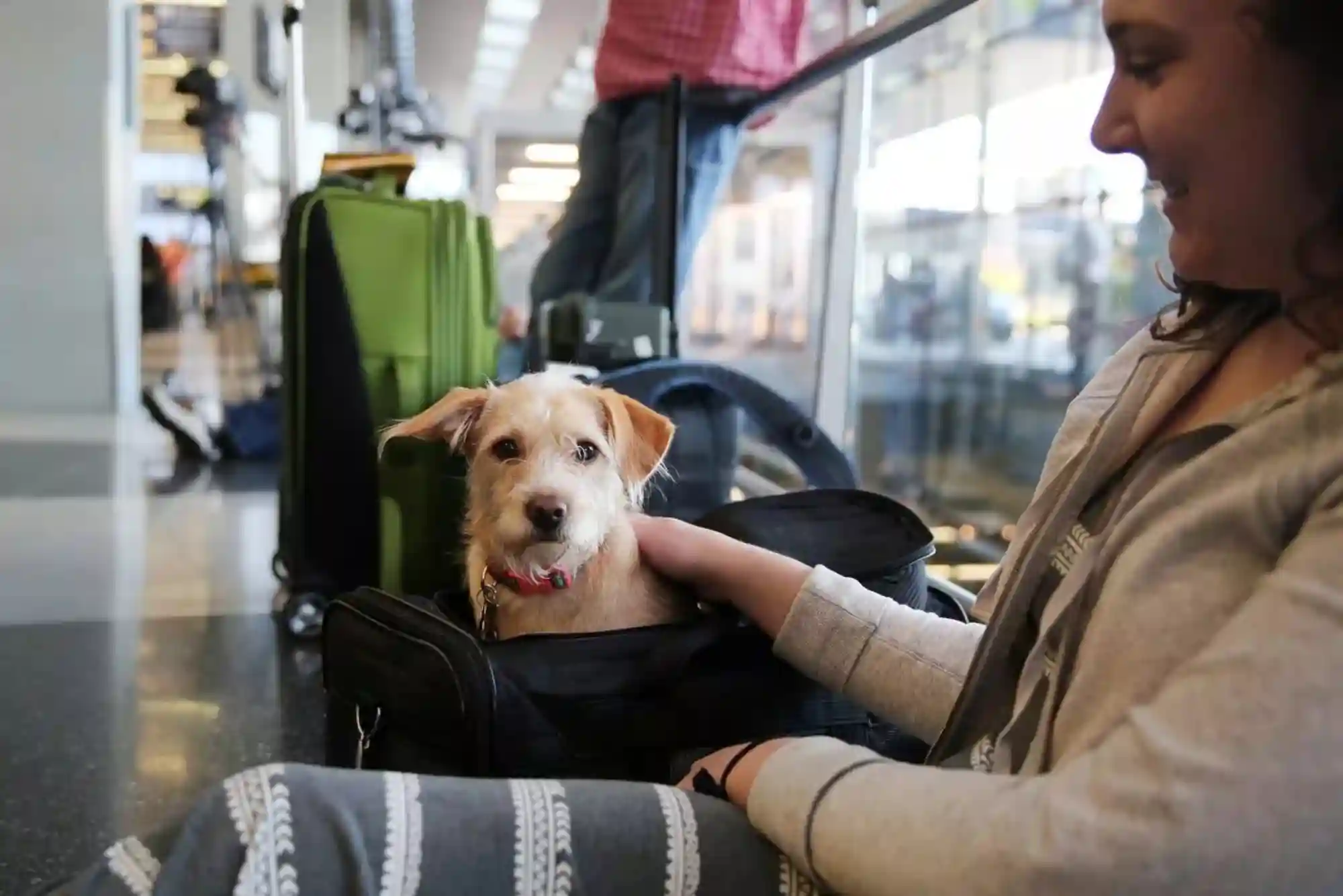
Your pet’s carrier must meet Amtrak’s published size requirements and fit within the permitted space. Amtrak generally accepts carriers measuring up to 19 inches long, 14 inches wide, and 10.5 inches high. Both hard-sided and soft-sided carriers may be accepted when they meet the applicable requirements.
The carrier should provide adequate ventilation and enough room for your pet to sit, stand, and move comfortably. It should also prevent accidental escapes during boarding and travel.
Pet fees vary by service and itinerary. Check the current charge during booking rather than assuming your pet travels free. You should also review any restrictions concerning sleeping cars, dining areas, and particular train services.
Preparing Your Pet for an Amtrak Journey
Introduce your pet to its carrier before departure. Short practice sessions can reduce anxiety and help your animal become comfortable inside the enclosure.
Feed your pet appropriately before travelling, and allow time for bathroom breaks. Carry water, absorbent pads, waste bags, and cleaning supplies. Arriving early gives you time to complete check-in procedures without unnecessary stress.
Eurostar Pet Policies for International Travel
Eurostar connects major European destinations through international high-speed rail services. However, passengers must understand that ordinary pet travel is not available on every Eurostar route.
Can You Take Dogs and Cats on Eurostar?
Eurostar generally does not permit ordinary pet dogs and cats on its international passenger services connecting destinations such as London, Paris, Brussels, and Amsterdam. Recognised assistance dogs may travel under specific conditions.
Some other Eurostar services, including certain routes within continental Europe, may have different arrangements. Therefore, passengers should check the precise route and current conditions before booking.
Do not assume that permission to carry a pet on one European train automatically applies to Eurostar. Railway operators maintain separate policies, even when their services connect at the same station.
Travelling With Assistance Dogs
Assistance dogs are subject to separate rules from ordinary companion animals. Eligible dogs may travel on certain Eurostar services when the relevant requirements are satisfied.
Passengers should contact Eurostar well before departure to confirm documentation, booking arrangements, and accessibility procedures. Requirements may differ according to the route and the country involved.
Assistance-dog eligibility is not necessarily the same as emotional support animal eligibility. An emotional support animal does not automatically qualify as an assistance dog under railway policies.
Alternatives for Travelling With Pets Across Europe
If your chosen Eurostar service does not accept your pet, consider alternative transport arrangements. Some conventional European railway operators permit cats and dogs under their own conditions.
You might travel by a pet-friendly regional train or use an appropriate road transfer. However, compare the entire journey before deciding. A route with multiple transfers may create additional stress for your animal.
Check animal entry requirements for every country on your itinerary. Microchip identification, rabies vaccination, pet passports, and animal health certificates may be required, depending on the route and applicable regulations.
UK Rail Pet Travel Rules Explained
Travelling by train with pets is often straightforward within the United Kingdom. National Rail guidance generally allows passengers to bring up to two pets without an additional charge, subject to the applicable conditions.
Dogs and cats can usually accompany their owners on eligible domestic services. However, passengers must ensure their animals do not inconvenience other travellers or create safety problems.
Are Dogs Allowed on UK Trains?
Most UK train operators permit dogs on domestic services. Dogs generally need to remain under control throughout the journey. They must not occupy seats and should not obstruct aisles or doorways.
Small pets can travel in suitable carriers where appropriate. Larger dogs may travel on a lead, depending on the operator’s conditions. Keep your dog close when boarding, leaving the train, or moving through crowded stations.
Although domestic rail travel is generally pet-friendly, individual operators may impose additional conditions. Check the railway company’s website before departure, particularly when travelling on special services or replacement buses.
Taking Cats and Small Animals on UK Trains
Cats and other small domestic animals can generally travel on eligible UK rail services when properly contained. A secure carrier protects your pet and reduces the chance of disturbing other passengers.
Choose a carrier that provides sufficient ventilation and comfort. Line the bottom with an absorbent material, especially when travelling for several hours.
Avoid opening the carrier in crowded stations or on moving trains. An unfamiliar environment can frighten cats, increasing the risk of escape. Keep your pet securely contained until you reach a safe, enclosed location.
Rules for Pet Behaviour and Seating
UK railway policies generally require pets to behave appropriately throughout the journey. Dogs should remain on the floor and must not occupy passenger seats.
Passengers are responsible for keeping their animals clean and under control. If a pet becomes distressed or disruptive, move to a quieter area when possible and follow staff instructions.
Consider travelling outside peak hours if your pet struggles with crowds. Quieter services can make boarding easier and provide a calmer environment for nervous animals.
How to Prepare for Pet-Friendly Train Travel
Successful pet-friendly train travel starts before departure. Research the route, check carrier requirements, and understand the railway operator’s booking process. These simple steps help prevent avoidable problems.
Make sure your pet is comfortable with its carrier or lead. Practise short journeys before attempting a longer trip. Familiar bedding or a favourite toy may help your animal feel more secure.
Pack enough food and water for the journey. Bring waste bags, cleaning supplies, and any necessary medication prescribed by your veterinarian. Keep vaccination records and identification documents accessible when travelling internationally.
Plan bathroom breaks around the railway schedule. Dogs should have an opportunity to relieve themselves before boarding. Cats may benefit from absorbent carrier liners and familiar bedding.
Finally, allow extra time at the station. Rushing through crowded platforms can increase anxiety for both pets and owners.
Common Mistakes to Avoid When Travelling With Pets
One common mistake is assuming every railway company follows the same rules. Amtrak, Eurostar, and UK rail operators have different policies, and eligibility can vary between services.
Another mistake is purchasing a ticket before confirming pet availability. Some operators limit the number of animals permitted on each train. Confirming availability first can prevent costly changes.
Choosing an unsuitable carrier can also cause problems. A carrier that is too small may compromise comfort, while an insecure enclosure creates an escape risk.
Passengers sometimes overlook international animal entry requirements. A train ticket does not replace the documentation needed to cross national borders with a pet.
Finally, never assume that an emotional support animal automatically receives the same treatment as a recognised assistance dog. Check the operator’s definitions and requirements before making arrangements.
Frequently Asked Questions
Can I take my dog on an Amtrak train?
Yes, Amtrak generally permits small dogs and cats on eligible routes. The combined weight of the pet and carrier must usually remain within 20 pounds. Reservations, fees, and journey-duration restrictions apply.
Are dogs allowed on Eurostar trains?
Ordinary pet dogs are generally not permitted on Eurostar’s international passenger services between London and continental European destinations. Eligible assistance dogs may travel under separate arrangements. Check the specific route before booking.
Can I take my cat on a UK train?
Yes, cats can generally travel on UK domestic trains. Keeping your cat inside a secure carrier helps protect it and other passengers. Check the relevant operator’s conditions before departure.
Do pets need train tickets in the UK?
Most UK rail services generally allow passengers to bring up to two pets without an additional charge. However, specific operator conditions may apply. Confirm the current rules before travelling.
What should I bring when travelling by train with a pet?
Bring a suitable carrier or lead, water, food, waste bags, cleaning supplies, and familiar bedding. International journeys may also require vaccination records, identification documents, and other animal travel paperwork.
How can I make train travel less stressful for my pet?
Help your pet become familiar with its carrier before departure. Choose quieter services when possible, provide appropriate hydration, and plan bathroom breaks. Keep your animal secure and monitor signs of distress.
Conclusion
Pet-friendly train travel can make exploring new destinations easier when you understand the rules before departure. Amtrak generally accepts small dogs and cats on eligible services, while Eurostar’s international routes usually restrict ordinary pets. UK domestic rail services are generally more accommodating, subject to operator conditions.